
PTSD

How a PTSD Counselor Can Help You Heal
Post-traumatic Stress Disorder (PTSD) is a serious mental health condition that can develop after experiencing or witnessing a traumatic event. It’s estimated that around 3.6 percent of adults in the US have PTSD in any given year, with more than 8 million cases reported annually.
Post-traumatic stress disorder is an extremely serious condition that can affect anyone who has gone through a traumatic experience. It’s important for those suffering from its effects—as well as their friends and family—to understand what causes this condition as well what symptoms look like so that proper treatment can begin right away.
Individuals who have been diagnosed with PTSD may experience symptoms such as flashbacks, nightmares, fear, anxiety, and an inability to concentrate. It is important to know that PTSD can affect anyone regardless of age, gender, race, or ethnicity.
If you are struggling with PTSD following a traumatic event, it might be time to consider seeking help from a PTSD therapist.
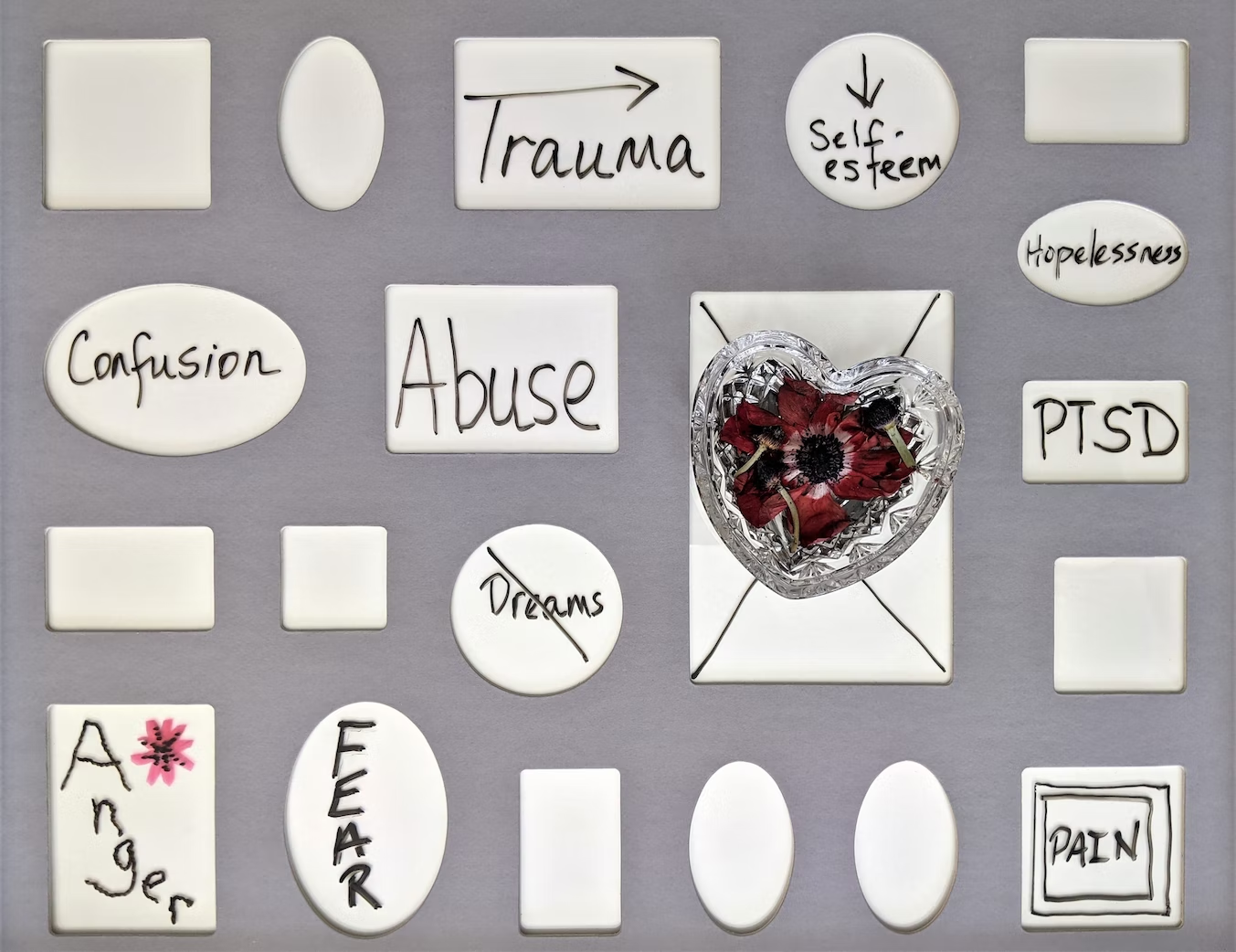
Causes of PTSD
The cause of PTSD is not known for certain but it is believed to be the result of a combination of biological and environmental factors. Some examples of these factors include genetics, brain chemistry, how the trauma was experienced (whether it was experienced directly or indirectly), family history of trauma or mental illness, and personality traits like resilience.
Symptoms of PTSD
People with PTSD may experience a variety of symptoms including nightmares or flashbacks related to the traumatic event; difficulty sleeping; feeling anxious, agitated or irritable; avoiding certain places or people associated with the trauma; difficulty concentrating; feeling emotionally numb; and feeling constantly on guard. These symptoms can have an impact on daily functioning and relationships.

PTSD Treatment Benefits
A PTSD counselor specializes in helping individuals cope with the effects of trauma and provides the necessary tools for healing. A major benefit of working with this type of therapist is that they understand the complexities of the disorder and can provide tailored treatment approaches that take into account your individual needs.
Additionally, a PTSD counselor or therapist will be able to guide you through any difficult emotions or feelings associated with trauma. They may also help you develop coping mechanisms for dealing with intrusive thoughts or unpleasant memories. This type of therapy is not only beneficial for reducing symptoms but can also help you gain insight into how to better manage challenging situations in the future.

Types of Therapy Used by a PTSD Therapist
A PTSD therapist may use various types of therapy when treating their clients. The most common form used is Cognitive Behavioral Therapy (CBT), which helps individuals identify problematic thought patterns and behaviors and replace them with healthier ones. Exposure Therapy is another type of therapy used to help individuals confront their fears in order to reduce anxiety levels associated with them. Eye Movement Desensitization and Reprocessing (EMDR) is another type of therapy often employed by therapists due to its ability to reduce distress related to traumatic events quickly.

Categories of Symptoms
The symptoms of PTSD can vary from person to person, but generally fall into four distinct categories. The first category includes intrusive memories such as flashbacks or nightmares about the traumatic event.
The second category includes avoidance behaviors such as avoiding places or conversations that remind one of the trauma or using substances to cope with the pain. Avoidance behaviors involve actively avoiding anything related to the trauma such as conversations or situations that remind them of what took place.
The third category includes negative changes in thinking and mood, including constantly feeling on edge or numbness to certain emotions. People with PTSD may have difficulty expressing emotions while they exhibit negative thoughts such as feelings of guilt or worthlessness and mood changes like depression or irritability.
Finally, the fourth category includes changes in physical and emotional reactions such as being easily startled or having difficulty concentrating. They may be overly alert in their surroundings – often referred to as hyperarousal – as well as exhibit behaviors which may include difficulty sleeping and concentrating on tasks.

PTSD Treatment: Expanded
PTSD is a complex condition, so treatment should be tailored to individual needs. Generally speaking, psychotherapy is an effective method for treating PTSD. Cognitive-behavioral therapy (CBT) has been found to be particularly helpful for those suffering from PTSD because it helps individuals process their traumatic experiences in a safe environment with a trained professional who can provide support and guidance throughout the process. In addition, medications such as antidepressants may also be recommended in order to manage some of the more severe symptoms associated with PTSD such as depression and anxiety.
Fortunately there are many different types of treatment options available depending on what works best for each individual patient’s unique needs and situation. With the right help and support system in place, individuals affected by this disorder can start working towards recovery today!

Get Started Today
If you are struggling with symptoms related to trauma, it might be time to consider seeking help from a PTSD counselor. A professional specializing in this area will be able to provide tailored treatment approaches that consider your individual needs while helping you develop coping mechanisms for dealing with difficult emotions or intrusive thoughts associated with your disorder. With their assistance, you can gain insight into how best manage challenging situations in the future while gaining control over your life once again!
Yes. Most major insurance plans cover PTSD therapy when provided by a licensed mental health professional. Contact us directly and we can help verify your benefits and discuss all available options before your first appointment.
Yes. Sunflower Counseling offers PTSD therapy at our Montana locations. We also offer online PTSD therapy for clients throughout Montana including survivors of abuse, first responders, and rural residents who may have limited access to specialized trauma care in their local community.
Yes. Many people who commit to evidence-based PTSD treatment experience dramatic and lasting reduction in symptoms and go on to live full, meaningful lives. While the memories of traumatic events do not disappear, therapy helps change the way the brain processes and responds to those memories so they no longer control your daily life.
Many clients experience significant symptom relief within 8 to 16 sessions depending on the nature and complexity of their trauma. Some individuals benefit from longer term support. Your therapist will work collaboratively with you to set realistic goals and regularly review your progress throughout treatment.
No. Approaches like EMDR and CPT are specifically designed to help you heal from trauma without requiring you to recount every painful detail of your experience. Your therapist will always move at a pace that feels safe and manageable for you and will never push you beyond what you are ready for.
The most well-researched and effective approaches for PTSD include EMDR (Eye Movement Desensitization and Reprocessing), Cognitive Processing Therapy (CPT), and Prolonged Exposure therapy. At Sunflower Counseling our therapists are trained in these evidence-based approaches and will work with you to determine which is the best fit for your specific history and needs.
PTSD can develop after any experience that overwhelms a person’s ability to cope. Common causes include sexual assault or abuse, childhood neglect or trauma, serious accidents, natural disasters, sudden loss of a loved one, medical trauma, and witnessing violence. Everyone responds to trauma differently and there is no threshold of experience you must meet to develop PTSD.
PTSD symptoms fall into four main categories. Re-experiencing symptoms include flashbacks, nightmares, and intrusive memories. Avoidance symptoms include steering clear of people, places, or situations that trigger memories of the trauma. Negative mood and thinking symptoms include persistent guilt, shame, hopelessness, and emotional numbness. Hyperarousal symptoms include being easily startled, difficulty sleeping, irritability, and hypervigilance. Symptoms can appear immediately after a traumatic event or emerge months or even years later.
Post-Traumatic Stress Disorder is a mental health condition that develops in some people after experiencing or witnessing a traumatic event. It is characterized by persistent, distressing symptoms that interfere significantly with daily functioning and quality of life. PTSD is not a sign of weakness — it is a natural response of a nervous system that has been overwhelmed by an extraordinary experience.
PTSD therapy is specialized mental health treatment designed to help individuals heal from the lasting psychological effects of traumatic experiences. Licensed therapists use evidence-based approaches to help clients process traumatic memories, reduce distressing symptoms, and rebuild a sense of safety, control, and connection in their lives.