
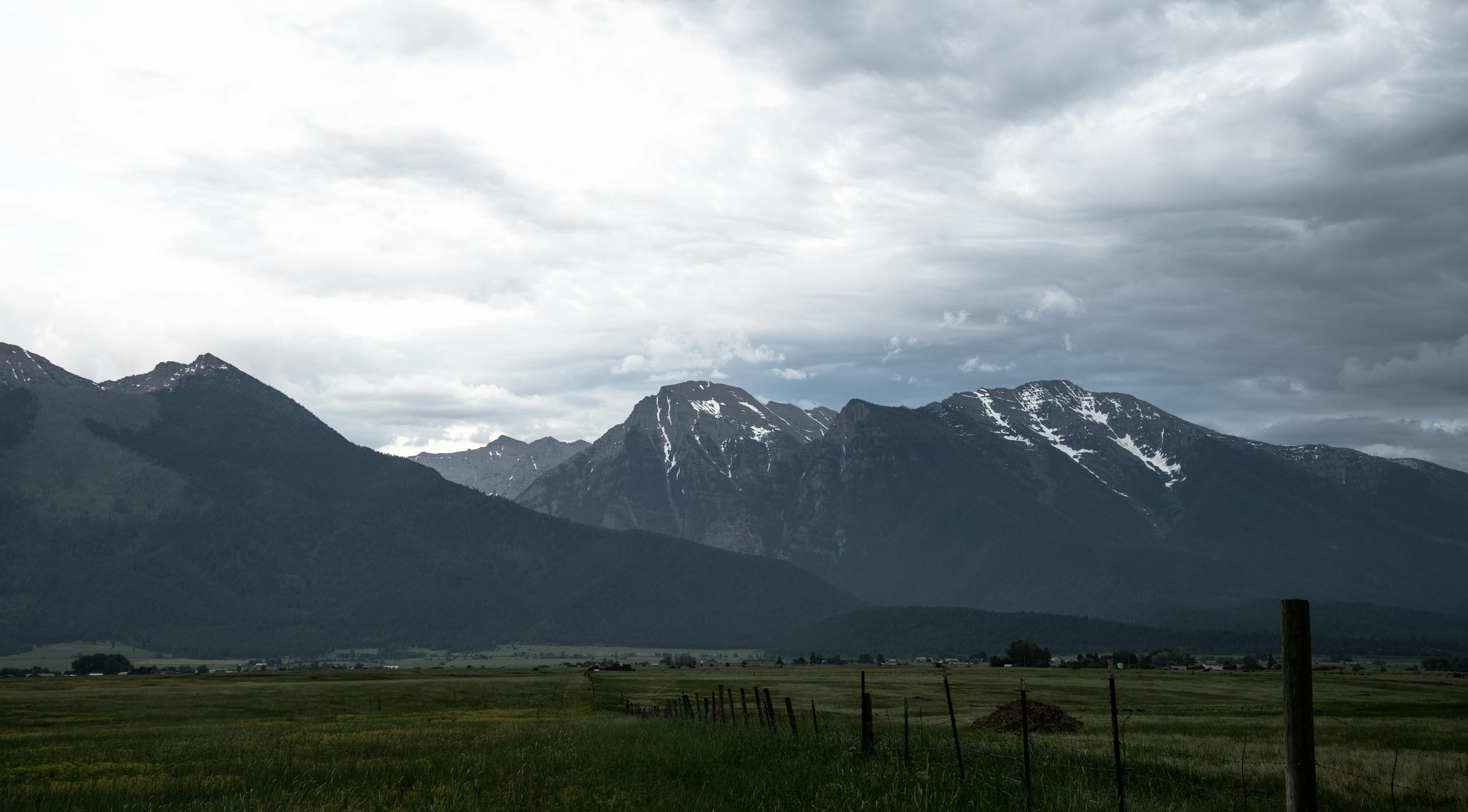
Yes. Montana is in the middle of a mental health crisis — and the data makes that painfully clear. The state consistently ranks among the worst in the nation for mental health outcomes, access to care, and suicide rates. But the numbers only tell part of the story. Behind every statistic is a Montanan who is struggling and who deserves support.
What Does the Data Say About Mental Health in Montana?
Montana ranks near the bottom nationally for adult mental health care. The state has one of the highest rates of mental illness in the country combined with some of the lowest access to mental health services. Over half of Montanans live in communities that do not have enough mental health practitioners to meet demand. Nearly half of Montanans who were unable to receive needed mental health care reported that cost was the primary barrier.
Montana’s suicide rate has ranked among the top five highest in the nation for more than 30 years. The state’s suicide rate is consistently about twice the national average. Approximately 300 Montanans die by suicide every year, and for every completed suicide there are an estimated six survivors who carry the lasting impact of that loss. Suicide is the leading cause of preventable death for Montana children ages 10 to 14, and Montana’s youth suicide rate is more than double the national average.
These are not just numbers. These are our neighbors, our coworkers, our family members, and our children.
Why Is Montana’s Mental Health Crisis So Severe?
Several factors combine to create what researchers have called a perfect storm of risk. Geographic isolation is one of the biggest challenges. Montana is the fourth largest state by area but has fewer than 1.2 million residents. Many communities are hours from the nearest mental health provider. Rural isolation contributes to loneliness, limits access to care, and makes it harder for people in crisis to get help quickly.
Provider shortages make the problem worse. Sixty percent of Montanans live in designated mental health professional shortage areas, and only a fraction of the state’s total mental health provider need is currently being met. There simply are not enough therapists, counselors, and psychiatrists to serve the population.
Cultural stigma also plays a significant role. Montana has a deep tradition of self-reliance and toughness — qualities that are admirable in many contexts but can become barriers when someone needs to ask for help. Many Montanans grew up in environments where talking about feelings was discouraged and seeking therapy was seen as a sign of weakness. That stigma is slowly changing, but it remains a real obstacle for many people considering reaching out.
How Has the COVID-19 Pandemic Affected Mental Health in Montana?
The pandemic made Montana’s existing mental health challenges significantly worse. Rates of anxiety, depression, and substance use increased across the state. Psychiatric emergency department visits rose sharply. The isolation that many Montanans already experienced in rural communities was compounded by lockdowns and social distancing measures.
However the pandemic also accelerated one positive development — the rapid expansion of telehealth. The use of telehealth for mental health visits has grown dramatically since 2020, and it has become an essential tool for reaching Montanans in underserved and rural areas who previously had no realistic access to therapy. Telehealth has made it possible for someone in a small town hours from the nearest therapist to receive quality mental health care from their own home.

What Is Being Done About Montana’s Mental Health Crisis?
Montana has taken meaningful steps in recent years. The state passed the Montana Mental Health Improvement Act and has invested in crisis services, school-based mental health programs, and telehealth infrastructure. State funding for mental health has increased, and the 988 Suicide and Crisis Lifeline now provides 24/7 free access to trained crisis responders for anyone in the state.
Community organizations and mental health providers across Montana are also working to fill gaps. School-based screening programs are helping identify at-risk youth earlier. Mobile crisis response teams are providing immediate support in communities that lack traditional mental health infrastructure. And practices like Sunflower Counseling Montana are expanding access through a combination of in-person offices and statewide telehealth services.
But there is still a long way to go. The need far outpaces the available resources, and closing the gap will require continued investment, continued conversation, and a willingness to challenge the stigma that keeps many Montanans from seeking help.
What Can I Do If I Am Struggling?
If you are struggling with your mental health the most important thing to know is that you are not alone and that help is available. Reaching out is not a sign of weakness — it is one of the strongest things you can do.
Start by talking to someone you trust. That might be a family member, a friend, a doctor, or a therapist. If you are not sure where to begin, contacting a mental health practice like Sunflower Counseling Montana is a simple first step. We will listen to your concerns, answer your questions, and match you with a therapist who is the right fit.
If you or someone you know is in crisis, call or text 988 to reach the Suicide and Crisis Lifeline. It is free, confidential, and available 24 hours a day, 7 days a week.
Does Sunflower Counseling Montana Offer Therapy Across the State?
Yes. Sunflower Counseling Montana offers therapy at our in-person locations in Missoula, Kalispell, and Butte, as well as online therapy for individuals, couples, and families throughout Montana. Our therapists are experienced, trauma-informed, and passionate about helping Montanans access the mental health care they deserve — regardless of where they live.
You do not have to navigate this alone. We are here to help.
Frequently Asked Questions About Montana’s Mental Health Crisis
Does Montana have a mental health crisis?
Yes. Montana consistently ranks among the worst states in the nation for mental health outcomes and access to care. The state has one of the highest suicide rates in the country, significant provider shortages, and large portions of the population living in mental health professional shortage areas.
Why is Montana’s suicide rate so high?
Montana’s high suicide rate is driven by a combination of factors including geographic isolation, limited access to mental health providers, cultural stigma around seeking help, high rates of substance use, and widespread firearm access. These factors create overlapping risk that makes the state uniquely vulnerable.
How many people die by suicide in Montana each year?
Approximately 300 Montanans die by suicide each year. Montana’s suicide rate is consistently about twice the national average, and the state has ranked among the top five highest suicide rates in the nation for more than 30 years.
Is there a shortage of mental health providers in Montana?
Yes. Over half of Montana’s population lives in communities designated as mental health professional shortage areas. The geographic size of the state combined with a limited number of licensed providers means that many Montanans face significant barriers to accessing care.
How can telehealth help with Montana’s mental health crisis?
Telehealth has become one of the most important tools for expanding mental health access in Montana. It allows people in rural and underserved communities to receive therapy from their own homes without needing to drive hours to the nearest provider. Sunflower Counseling Montana offers online therapy throughout the state.
What should I do if I am in a mental health crisis in Montana?
If you or someone you know is in crisis, call or text 988 to reach the Suicide and Crisis Lifeline. It is free, available 24/7, and staffed by trained crisis responders. You can also contact local emergency services by calling 911.
Does Sunflower Counseling Montana accept new clients?
Yes. Sunflower Counseling Montana is accepting new clients at our Missoula, Kalispell, and Butte locations and through online therapy statewide. Call or text (406) 214-3810 or email hello@sunflowercounseling.com to get started.
Can I get therapy in Montana if I live in a rural area?
Yes. Sunflower Counseling Montana offers online therapy to clients throughout Montana, including those in rural and remote communities. All you need is an internet connection and a private space.
Call or text Sunflower Counseling Montana today to get started: (406) 214-3810 or email hello@sunflowercounseling.com.
Serving clients in person in Missoula, Kalispell, and Butte — and online throughout Montana.
