
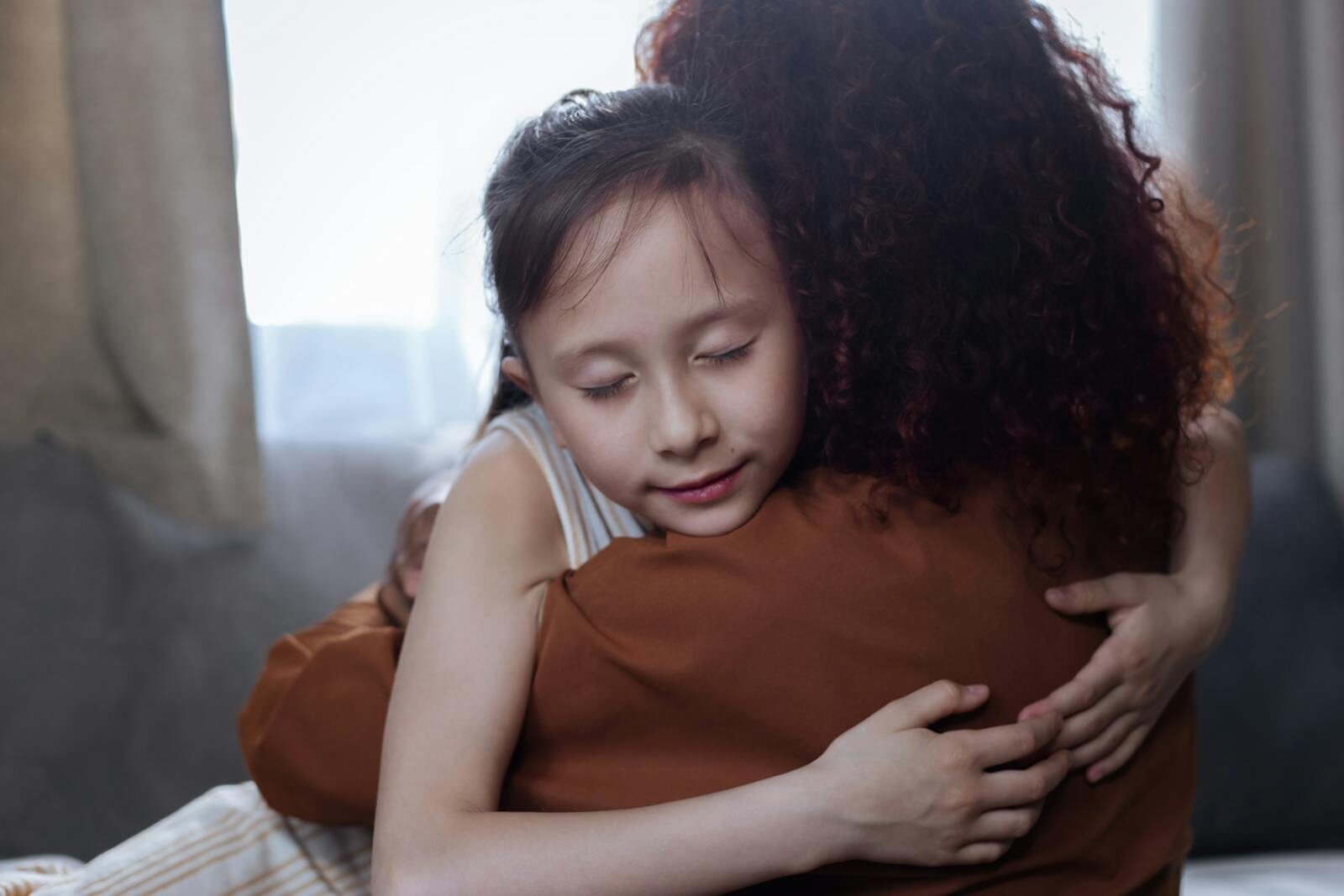
Divorce is one of the most difficult experiences a family can go through — and one of the most common questions parents ask during this time is how their children are being affected. If you are going through a divorce or separation and worried about your kids you are already doing something right by asking the question. The truth is that divorce does affect children. But how it affects them and how deeply depends on a number of factors — many of which parents can directly influence. This post explains how divorce impacts children at different ages, what warning signs to watch for, and how therapy can help your child navigate this transition in a healthy way.
How Does Divorce Affect Young Children?
Children under the age of five do not fully understand what divorce means but they absolutely feel the disruption. Young children are deeply attuned to the emotional climate in the home. They sense tension, sadness, and change even when they cannot articulate what they are picking up on.
Common responses in young children include regression — going back to earlier behaviors like bedwetting, thumb sucking, or clinginess that they had previously outgrown. They may become more fearful or anxious particularly around separation from their primary caregiver. Sleep disruptions are common. So are changes in appetite and increased tantrums or emotional outbursts.
Young children often believe they are the cause of the divorce. Even without any logical basis for this belief they internalize the family disruption and conclude that something they did made it happen. This is one of the most important things for parents to address directly and repeatedly — reassuring your child that the divorce is not their fault and that both parents still love them.
How Does Divorce Affect School-Age Children?
Children between approximately six and twelve years old have a more developed understanding of what divorce means — and with that understanding comes a more complex emotional response. School-age children often experience sadness, anger, and a deep sense of loyalty conflict between their parents. They may feel torn between two homes and two people they love equally.
Common responses at this age include declining school performance, withdrawal from friends and activities, irritability, physical complaints like stomachaches and headaches, and sometimes behavioral acting out. Some children become overly responsible — taking on a caretaking role that is not appropriate for their age as a way of trying to hold the family together.
School-age children are also highly sensitive to parental conflict. Research consistently shows that the single biggest predictor of how well a child adjusts to divorce is not the divorce itself but the level of conflict between parents during and after the process. Children who are exposed to ongoing parental conflict fare significantly worse than children whose parents manage to maintain a respectful co-parenting relationship.
How Does Divorce Affect Teenagers?
Teenagers respond to divorce with the full complexity of adolescent development layered on top. They may react with anger, withdrawal, risk-taking behavior, or emotional shutdown. Some teenagers take sides between parents. Others pull away from both parents entirely and seek connection primarily with peers.
Divorce during adolescence can also affect a teenager’s developing beliefs about relationships and commitment. Teenagers who witness a high-conflict divorce may develop cynicism about romantic relationships that follows them into adulthood. Conversely teenagers who see their parents navigate divorce with respect and honesty often develop a more nuanced and realistic understanding of relationships.
Common warning signs in teenagers include significant changes in mood or behavior, declining grades, increased substance use, withdrawal from family and friends, expressed hopelessness about the future, and in some cases thoughts of self-harm. If you are seeing any of these signs in your teenager please reach out for professional support.

What Are the Warning Signs That My Child Needs Help After Divorce?
While some degree of emotional difficulty during and after divorce is normal and expected there are signs that your child may need professional support beyond what you can provide at home:
Persistent sadness, anxiety, or emotional distress lasting more than a few weeks. Significant changes in behavior, sleep, appetite, or school performance. Regression to earlier developmental behaviors in younger children. Withdrawal from friends, activities, or family members. Expressions of guilt or self-blame about the divorce. Increased aggression, defiance, or acting out. Physical complaints without a medical explanation. Any expression of thoughts about suicide or self-harm.
If you are seeing several of these signs or if your parental instinct is telling you something is not right — trust that instinct and reach out. It is always better to seek support early than to wait and see if things improve on their own.
How Can Therapy Help Children During and After Divorce?
Therapy provides children with something they desperately need during divorce — a safe, neutral space that belongs entirely to them. A space where they do not have to worry about hurting either parent’s feelings, where they do not have to take sides, and where every feeling they are experiencing is met with acceptance and validation rather than anxiety or defensiveness.
For younger children therapists use play-based approaches that allow children to process their feelings through the natural language of childhood — play, art, and storytelling. For older children and teenagers therapy may incorporate more direct conversation alongside creative and experiential techniques.
Specific ways therapy helps children through divorce include giving them a safe outlet for feelings they may not feel comfortable sharing with either parent, helping them understand that the divorce is not their fault, building coping skills for managing difficult emotions, helping them navigate loyalty conflicts and the complexity of living in two homes, addressing anxiety, depression, or behavioral difficulties that have emerged in response to the family transition, and strengthening their resilience and sense of security during a time when everything feels uncertain.
Should I Consider Family Therapy During Divorce?
Yes — family therapy can be enormously beneficial during and after divorce, particularly when communication between family members has broken down or when children are caught in the middle of parental conflict. Family therapy provides a structured environment where everyone can communicate more effectively and work together to support the children through the transition.
Family therapy during divorce is not about reconciliation unless both partners want that. It is about creating the healthiest possible environment for your children regardless of the marital outcome. Many families find that even a few family therapy sessions during a divorce significantly improve communication and reduce the emotional impact on children.
Can Online Therapy Help My Child During Divorce?
Yes. Online therapy is an effective and convenient option for children and families navigating divorce, particularly when scheduling is complicated by two-household logistics, when a child splits time between homes in different locations, or when a family lives in a rural area of Montana with limited local access to specialized child therapists.
At Sunflower Counseling Montana we offer online therapy for children, teenagers, and families throughout Montana. Many children actually feel more comfortable in online sessions because they are in the familiar environment of their own home.
How Do I Get Started With Child Therapy at Sunflower Counseling Montana?
Simply reach out. You do not need to have everything figured out before you call. Let us know what your family is going through and we will match your child with a therapist who specializes in working with children and families navigating divorce and major life transitions. We will verify your insurance benefits and schedule a first appointment at a time that works for your family.
Your child does not have to go through this alone. And neither do you.
Frequently Asked Questions About Divorce and Children in Therapy
Q: At what age does divorce affect children the most?
A: Divorce affects children at every age but in different ways. Young children may experience regression and separation anxiety. School-age children may struggle with loyalty conflicts and declining school performance. Teenagers may react with anger, withdrawal, or risk-taking behavior. Early intervention with therapy produces the best outcomes regardless of age.
Q: How do I know if my child needs therapy during divorce?
A: Signs your child may need therapy include persistent sadness or anxiety lasting more than a few weeks, significant changes in behavior or school performance, regression to earlier behaviors, withdrawal from friends and family, expressions of guilt about the divorce, and any mention of self-harm. If your instinct says something is wrong trust it and reach out.
Q: Is it my fault that my child is struggling with the divorce?
A: No. Children’s emotional responses to divorce are normal and natural. The fact that you are asking this question and seeking support shows that you are a caring and attentive parent. The most important thing you can do is ensure your child has the support they need rather than blaming yourself for their pain.
Q: Can therapy help even if the divorce happened years ago?
A: Yes. The effects of divorce can emerge or resurface at different developmental stages. A child who seemed fine at age seven may struggle at age thirteen as they develop a more complex understanding of relationships. Therapy can help at any point regardless of how long ago the divorce occurred.
Q: Do both parents need to be involved in the child’s therapy?
A: Ideally both parents are aware of and supportive of the child’s therapy but it is not always necessary for both parents to participate directly. One parent can initiate therapy and the therapist can work with the family dynamics as they are. Communication between parents about the child’s treatment is encouraged whenever possible.
Q: Do you offer family therapy during divorce in Montana?
A: Yes. Sunflower Counseling Montana offers family therapy at our locations in Missoula, Kalispell, and Butte, as well as online for families throughout Montana.
Q: Does insurance cover child therapy during divorce?
A: Yes. Most major insurance plans cover child therapy when provided by a licensed mental health professional. Contact Sunflower Counseling Montana and we will verify your child’s benefits before the first appointment.
Q: Can online therapy work for children during divorce?
A: Yes. Online therapy is an effective option for children during divorce and can be particularly convenient when children are splitting time between two homes. Sunflower Counseling Montana offers online therapy for children and families throughout Montana.
Call or text Sunflower Counseling Montana today to get started: (406) 214-3810 or email hello@sunflowercounseling.com.
Serving clients in person in Missoula, Kalispell, and Butte — and online throughout Montana.
About the Author: Marie is a Licensed Clinical Professional Counselor (LCPC) and Clinical Director at Sunflower Counseling Montana, specializing in children, teens, families, and trauma-informed care across Montana.