
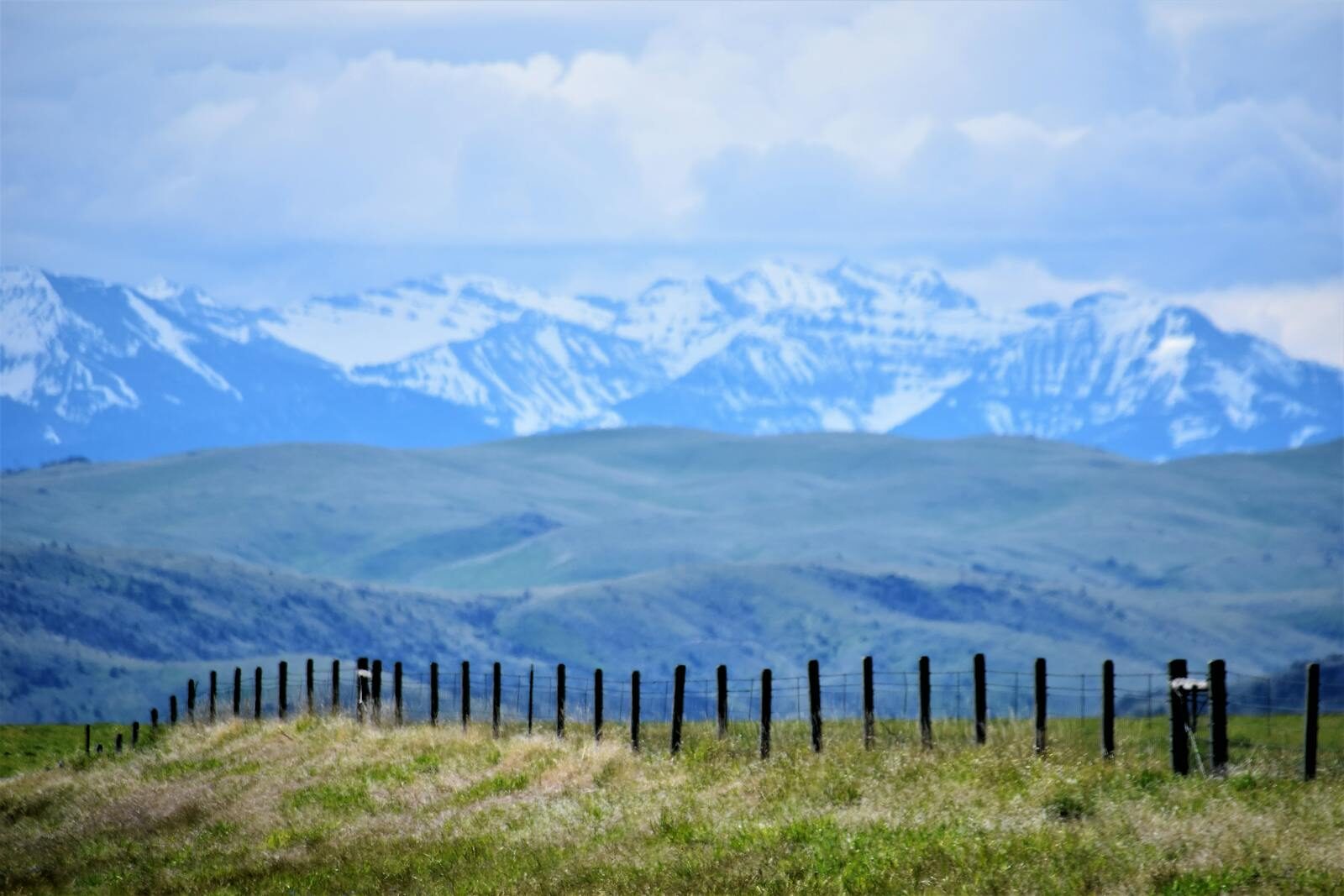
If you live in Montana, you probably already know that the winters here are long. The sun sets early, the cold drags on for months, and by February a lot of us are running on fumes. What fewer people realize is that Montana is one of the hardest places in the country for Seasonal Affective Disorder (SAD) — and not only in winter. For some people, spring is actually when the symptoms hit hardest.
If you’ve been feeling off lately and can’t figure out why — especially now that the days are finally getting longer and everyone around you seems to be perking up — this post is for you.
What Is Seasonal Affective Disorder?
Seasonal Affective Disorder is a form of depression that follows a predictable seasonal pattern. Symptoms begin and end at roughly the same time every year, typically lasting for several months, and then lift when the season changes.
Most people associate SAD with winter — and for good reason. The majority of cases are winter-pattern SAD, where symptoms begin in the fall and persist through the cold, dark months. But SAD can also strike in spring and summer. This less common form is called summer-pattern SAD or reverse SAD, and it affects roughly 10% of people with SAD.
Both forms are real. Both are treatable. And both are more common in Montana than most people realize.
Why Is Winter SAD So Common in Montana?
The biggest driver of winter-pattern SAD is reduced sunlight. When the days get shorter, your body produces more melatonin (the sleep hormone) and less serotonin (the mood-stabilizing neurotransmitter). For some people, this shift disrupts the body’s internal clock in ways that trigger a full depressive episode.
Montana makes this worse for several reasons:
We’re far north. SAD is significantly more common the further you live from the equator. Missoula sits at about 46.8° N latitude — roughly the same as Minneapolis or parts of Maine. By December, we’re getting fewer than nine hours of daylight.
Our winters are long. In many parts of Montana, snow stays on the ground from November through April. That’s five or six months of cold, gray days with limited outdoor activity.
Vitamin D gets harder to come by. Our skin makes vitamin D when exposed to sunlight, and Montana winters make that difficult. Low vitamin D levels have been associated with worsened mood and depression symptoms.
Rural isolation. Many Montanans live far from town, and winter driving conditions make it harder to stay connected with friends, attend social events, or get to a therapist.
Wait — Can Spring Trigger SAD Too?
Yes. And if you’re experiencing it right now, you are not imagining it.
Spring SAD, also called reverse SAD or summer-pattern SAD, is a real and recognized form of seasonal depression. It usually begins in spring or early summer and lifts when fall arrives. Unlike winter SAD, which tends to look like classic “hibernation depression” (oversleeping, low energy, carb cravings, weight gain), spring and summer SAD often looks more like agitated depression:
- Insomnia and poor sleep
- Loss of appetite and unintentional weight loss
- Anxiety and restlessness
- Irritability and agitation
- Trouble concentrating
If you’re wondering why you feel worse now that winter is finally over, here are some of the reasons spring can be genuinely hard:
Sudden changes in light exposure. Longer days and later sunsets can disrupt the body’s circadian rhythm just as dramatically as shorter days do. Increased daylight can lower melatonin in ways that interfere with sleep.
Allergies. Montana’s spring brings pollen — grass, trees, and later in the season, weeds. Research has found a link between seasonal allergies and mood changes. Allergy-driven inflammation, combined with poor sleep from congestion and itchy eyes, can contribute to depressive symptoms.
Social pressure to feel happy. Spring comes with an expectation that you’re supposed to feel better. Everyone is posting photos of blooming trees, planning summer trips, and getting outside. If you don’t feel that lift, the gap between how you actually feel and how you think you should feel can make depression significantly worse.
Disrupted routines. The structure of winter (early dinners, quiet evenings, predictable schedules) gives way to longer, more chaotic days. For people whose mental health depends on routine, this shift can be destabilizing.
The “I should be over this by now” effect. People who’ve been struggling through winter sometimes expect spring to automatically fix them. When it doesn’t, it can feel like something is deeply wrong — which is itself depressing.
How Do I Know If It’s SAD and Not Just a Rough Patch?
A few signals suggest what you’re experiencing might be SAD rather than a general low mood:
It follows a pattern. The defining feature of SAD is that the depressive episodes happen at the same time of year, two or more years in a row.
The symptoms are significant. We’re not talking about a few blue days. SAD symptoms persist for weeks or months and interfere with your ability to work, sleep, eat, or engage with the people you love.
It lifts when the season changes. If your mood reliably improves in spring (winter SAD) or fall (spring/summer SAD), that seasonal pattern is a strong clue.
If you’ve been struggling for weeks, not just days — and especially if you’ve noticed this happens every year around the same time — it’s worth talking to a professional.
What Actually Helps Treat SAD?
The good news is that SAD is highly treatable. The right approach depends on which form you’re dealing with.
For winter-pattern SAD:
- Light therapy. A daily session in front of a 10,000-lux light box, usually in the morning, is one of the most well-established treatments for winter SAD.
- Vitamin D. Many people with winter SAD are deficient, and supplementation can help (though you should check levels with your doctor first).
- Therapy. Cognitive Behavioral Therapy specifically adapted for SAD (CBT-SAD) has strong research support.
- Medication. For some people, antidepressants — particularly starting in the fall before symptoms begin — can prevent or significantly reduce episodes.
- Exercise, consistent sleep, and social connection. These basics genuinely matter.
For spring/summer-pattern SAD:
- Limit bright light exposure in the evenings. Blackout curtains, cool dark bedrooms, and consistent bedtimes can help.
- Manage allergies aggressively. Treating pollen sensitivity may reduce both the physical and mood symptoms.
- Stay cool. Heat sensitivity is a factor for some people with summer SAD — fans, air conditioning, and hydration help more than you’d think.
- Therapy. The same therapeutic approaches that work for other forms of depression work here.
- Medication. Some people benefit from seasonal adjustments to their antidepressants in consultation with a prescriber.
Can Therapy Help With Seasonal Affective Disorder?
Yes. Therapy is one of the most effective long-term treatments for SAD — especially Cognitive Behavioral Therapy, which helps you identify and shift the thought patterns that keep seasonal depression locked in. Therapy also gives you a place to process the specific griefs and frustrations that come with seasonal depression — the lost months, the missed experiences, the sense that your body is out of step with the world around you.
For people who experience SAD year after year, therapy can also help you prepare. Because SAD is predictable, you can work with a therapist to build a seasonal plan — something to put in place before symptoms hit, rather than scrambling to respond once you’re already in it.
Does Sunflower Counseling Montana Offer Therapy for SAD?
Yes. Our therapists have extensive experience working with Montanans who struggle with seasonal depression in both its winter and spring forms. We offer in-person therapy at our locations in Missoula, Kalispell, and Butte, as well as online therapy for clients anywhere in Montana.
Online therapy is particularly valuable for SAD because it removes the logistical barrier of getting out of the house on the hardest days — which tend to be exactly the days when driving to an appointment feels impossible.
If you’ve been struggling, please reach out. SAD is treatable, and you don’t have to keep losing months of your life to it every year.
Frequently Asked Questions About Seasonal Affective Disorder in Montana
Q: Is Seasonal Affective Disorder more common in Montana?
A: Yes. SAD is significantly more common in northern latitudes, and Montana’s long winters, short daylight hours, and rural isolation all increase the risk. Montana is one of the more challenging states in the country for seasonal depression.
Q: Can you have SAD in the spring?
A: Yes. Spring-pattern or reverse SAD is a real condition that affects roughly 10% of people with SAD. Symptoms typically include insomnia, anxiety, restlessness, and loss of appetite — different from the oversleeping and carb-craving pattern of winter SAD.
Q: Why do I feel depressed when the weather is finally nice?
A: You’re not alone, and you’re not imagining it. Spring can trigger depression for several reasons: disrupted circadian rhythms from longer days, seasonal allergies, pressure to feel happy when you don’t, and the grief of realizing you don’t automatically feel better just because winter is over.
Q: How is SAD different from regular depression?
A: SAD follows a predictable seasonal pattern. Symptoms begin and end at roughly the same time each year, and they lift when the season changes. To be diagnosed with SAD, this pattern needs to have been present for at least two consecutive years.
Q: Does light therapy really work?
A: For many people with winter-pattern SAD, yes. Daily exposure to a 10,000-lux light box, usually in the morning, is one of the most well-studied treatments. Light therapy is not recommended for spring/summer SAD — those forms usually need the opposite approach of limiting bright light in the evenings.
Q: Can therapy treat Seasonal Affective Disorder?
A: Yes. Cognitive Behavioral Therapy adapted for SAD (CBT-SAD) has strong research support, and ongoing therapy helps many people both treat current symptoms and prepare for upcoming seasonal transitions.
Q: Do you offer SAD therapy in Montana?
A: Yes. Sunflower Counseling Montana offers therapy for Seasonal Affective Disorder at our in-person locations in Missoula, Kalispell, and Butte, and online throughout Montana.
Q: When should I seek professional help for seasonal depression?
A: If you’ve been experiencing significant low mood, loss of interest, sleep or appetite changes, or difficulty functioning for two weeks or more — and especially if you’ve noticed this happens at the same time every year — it’s worth talking to a therapist. You don’t have to wait until it’s a crisis.
Call or text Sunflower Counseling Montana today to get started: (406) 214-3810 or email hello@sunflowercounseling.com.
Serving clients in person in Missoula, Kalispell, and Butte — and online throughout Montana.
About the Author: Marie is a Licensed Clinical Professional Counselor (LCPC) and Clinical Director at Sunflower Counseling Montana, specializing in children, teens, families, and trauma-informed care across Montana.