
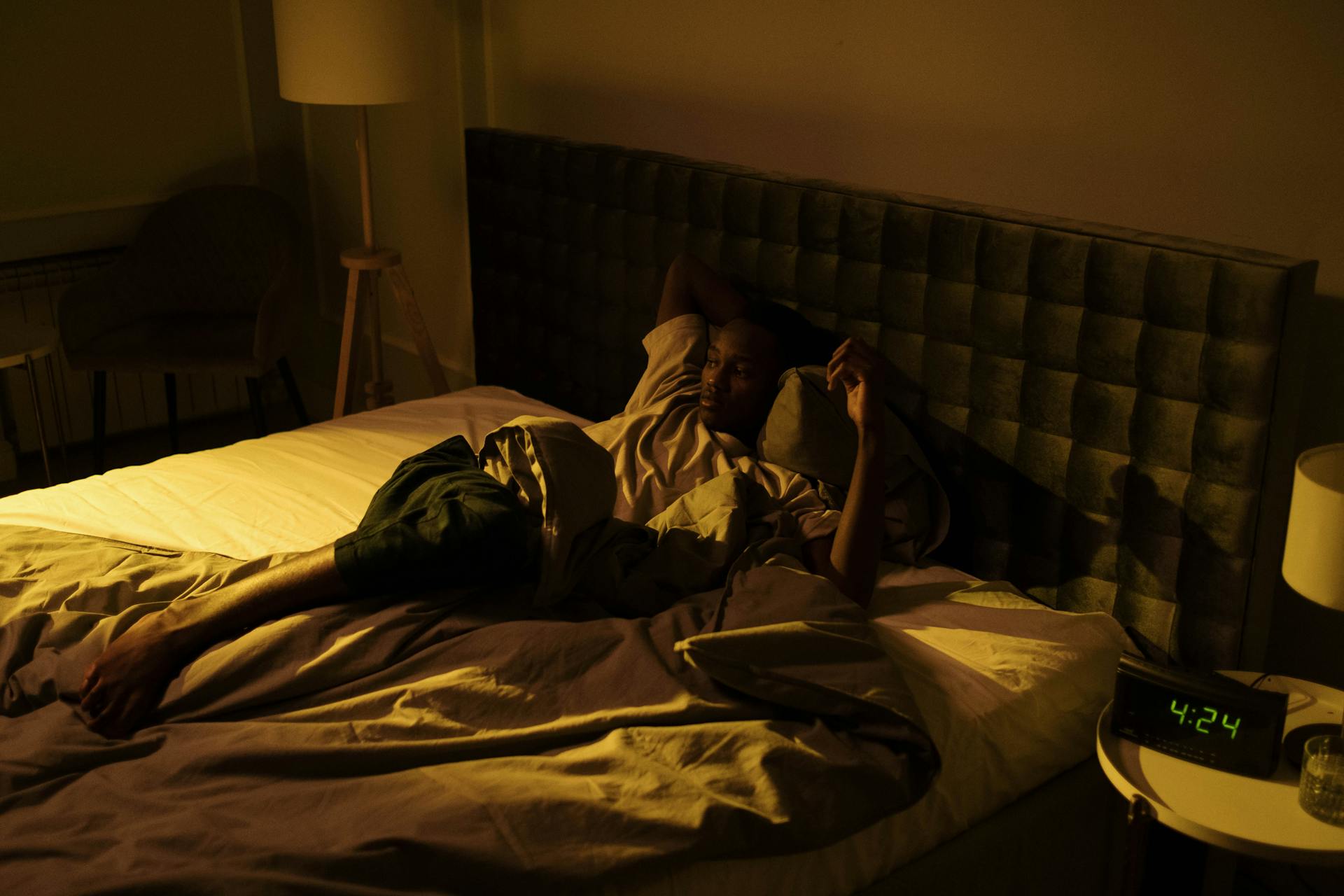
It is 2am. You have been staring at the ceiling for an hour. Your body is exhausted but your brain will not shut off. Maybe it is replaying something that happened today. Maybe it is running through tomorrow’s to-do list. Maybe it is cycling through worries that feel enormous in the dark but manageable in daylight. Or maybe you do not even know why you are awake — you just are. If this sounds familiar you are far from alone. Millions of people struggle with sleep every night and for many of them the root cause is not a sleep problem at all — it is a mental health problem wearing a sleep mask. This post explains the most common psychological causes of sleeplessness and what you can do about them.
Why Does Your Brain Get Louder at Night?
During the day your mind is occupied — work, conversations, tasks, screens, and constant stimulation keep your attention directed outward. But when you lie down and the world goes quiet your brain finally has space to process everything it has been holding. For many people this is when anxiety surfaces, worries amplify, and unresolved emotions demand attention.
This is not a malfunction. Your brain is actually doing what it is designed to do — processing your day and preparing for tomorrow. The problem is that when stress, anxiety, or depression are present this natural processing system goes into overdrive. Instead of winding down your mind revs up. Instead of organizing and filing your brain loops, fixates, and catastrophizes. The result is a body that is ready for sleep and a mind that is running a marathon.
Is It Stress Keeping You Awake?
Stress is one of the most common causes of difficulty falling and staying asleep. When your body is under stress it produces cortisol — the hormone that drives your fight-or-flight response. Cortisol is designed to keep you alert and ready to respond to threat. When stress becomes chronic — ongoing work pressure, financial worry, relationship conflict, health concerns — your cortisol levels stay elevated even at night when they should naturally decline.
How Stress-Related Sleeplessness Feels
You typically feel physically tired but mentally wired. Your mind races through problems, plans, or worst-case scenarios. You may fall asleep initially but wake in the middle of the night with your mind already running. You often feel unrefreshed even after a full night of sleep because the quality of your rest was poor.
The Key Distinction
Stress-related sleeplessness is usually tied to identifiable circumstances. If you can point to a specific source of pressure — a deadline, a conflict, a financial situation — and your sleep problems started or worsened around the same time, stress is likely a primary driver.
Is It Anxiety Keeping You Awake?
Anxiety and stress are related but they are not the same thing. Stress is a response to a specific external pressure. Anxiety is a more generalized state of worry and apprehension that may or may not be tied to anything specific. People with anxiety often describe lying awake with a vague sense of dread — a feeling that something is wrong without being able to pinpoint what.
How Anxiety-Related Sleeplessness Feels
Your mind generates worry after worry in a chain that feels impossible to break. You may worry about not sleeping — which creates a vicious cycle where the anxiety about insomnia itself keeps you awake. Physical symptoms like racing heart, tight chest, shallow breathing, or stomach tension accompany the mental noise. You may feel a sense of dread or unease that has no clear cause. Anxiety about tomorrow or the future dominates your thoughts even when nothing specific is wrong.
The Key Distinction
If your sleeplessness is accompanied by persistent worry that extends beyond any specific situation — if you find yourself anxious even when life is objectively going well — anxiety may be the underlying cause rather than simple stress.

Is It Depression Keeping You Awake?
Depression and sleep have a complex bidirectional relationship. Depression can cause insomnia — difficulty falling or staying asleep — and it can also cause hypersomnia — sleeping excessively but never feeling rested. Both patterns are common and both are disruptive.
How Depression-Related Sleeplessness Feels
You may fall asleep without difficulty but wake very early — often between 3am and 5am — and find it impossible to fall back asleep. Your mind fills with dark or hopeless thoughts during these early morning hours. You feel heavy and exhausted during the day but strangely alert at night. Even when you do sleep a full night you wake feeling drained and unrefreshed. Sleep may feel like the only escape from how you are feeling — yet it provides no actual rest.
The Key Distinction
If your sleep difficulties are accompanied by persistent low mood, loss of interest in things you used to enjoy, feelings of worthlessness or hopelessness, and fatigue that does not improve with rest — depression may be the underlying cause. Early morning waking in particular is one of the most reliable indicators of depression.
Could It Be PTSD or Trauma?
Unresolved trauma is one of the most powerful disruptors of sleep. People with PTSD or unprocessed traumatic experiences frequently experience nightmares, hypervigilance at night, difficulty feeling safe enough to fall asleep, and a startle response that wakes them at the slightest noise. The nervous system of a person with unresolved trauma remains in a state of high alert even during sleep — scanning for danger in an environment that is objectively safe.
How Trauma-Related Sleeplessness Feels
Nightmares or disturbing dreams that may or may not be directly related to the traumatic event. A sense that you cannot let your guard down enough to fall asleep. Waking suddenly with a racing heart or feeling of panic. Avoiding going to bed because sleep feels unsafe or unpredictable. Sleeping with lights on, doors locked multiple times, or other safety behaviors that reflect an activated nervous system.
The Key Distinction
If your sleep difficulties began after a traumatic experience or if you have a history of trauma that was never fully processed, unresolved trauma may be driving your insomnia even if you do not consciously connect the two.
What Can You Do Right Now to Sleep Better Tonight?
While therapy is the most effective long-term solution for sleep problems rooted in stress, anxiety, depression, or trauma there are evidence-based strategies you can use tonight to improve your chances of getting rest:
Create a consistent wind-down routine. Your brain needs a signal that it is time to transition from alert mode to rest mode. A consistent routine — same time each night, same sequence of activities — trains your nervous system to begin relaxing automatically.
Get screens out of the bedroom. Blue light from phones and screens suppresses melatonin production and keeps your brain in alert mode. Charging your phone in another room is one of the single highest impact changes you can make for your sleep.
Try a body scan or progressive muscle relaxation. Starting at your toes and working up through your body, systematically tensing and releasing each muscle group sends a powerful signal to your nervous system that it is safe to let go.
Write down your worries before bed. Giving your anxious thoughts a place to live outside your head — even just a simple list on a notepad — can reduce the mental loops that keep you awake. You are not solving the problems. You are acknowledging them and giving yourself permission to set them down until morning.
Avoid using alcohol as a sleep aid. While alcohol may help you fall asleep initially it significantly disrupts sleep quality and often causes middle-of-the-night waking — making the overall problem worse not better.
How Can Therapy Help With Sleep Problems?
Therapy addresses the root cause of your sleeplessness rather than just managing the symptom. Evidence-based approaches that are particularly effective include:
Cognitive Behavioral Therapy for Insomnia — CBT-I is considered the gold standard treatment for chronic insomnia. It addresses the thoughts and behaviors that perpetuate sleep difficulties and produces results that are more durable than medication. Research consistently shows that CBT-I is effective for the majority of people who engage with it.
Cognitive Behavioral Therapy for anxiety and depression — when sleeplessness is driven by underlying anxiety or depression, treating the root condition typically resolves the sleep problem as well. Many clients are surprised by how quickly their sleep improves once they begin addressing the anxiety or depression that was fueling it.
EMDR Therapy — when sleep disruption is rooted in trauma or PTSD, EMDR can be remarkably effective. By helping the brain reprocess traumatic memories, EMDR often produces significant improvement in nightmares, hypervigilance, and the overall ability to feel safe enough to sleep.
Do You Offer Therapy for Sleep Problems in Montana?
Yes. Sunflower Counseling Montana offers therapy for stress, anxiety, depression, trauma, and PTSD — all of which are common drivers of chronic sleep problems — at our in-person locations in Missoula, Kalispell, and Butte, as well as online therapy for clients throughout Montana including those in Billings, Bozeman, Great Falls, Helena, and rural communities across the state.
If you have been lying awake night after night wondering what is wrong — the answer may not be in your bedroom. It may be in your mind. And therapy can help you find it.
Frequently Asked Questions About Sleep and Mental Health
Q: Can stress and anxiety cause insomnia?
A: Yes. Stress and anxiety are two of the most common causes of chronic insomnia. Elevated cortisol levels from ongoing stress keep the body in a state of alertness even at night, while anxiety produces racing thoughts and a sense of dread that makes it difficult to fall and stay asleep.
Q: How do I know if my sleep problems are caused by anxiety or depression?
A: Anxiety-related insomnia typically involves difficulty falling asleep due to racing thoughts and worry. Depression-related insomnia often involves early morning waking — waking between 3am and 5am and being unable to fall back asleep. A therapist can help you identify which condition is driving your sleep difficulties.
Q: Can therapy help with insomnia?
A: Yes. Cognitive Behavioral Therapy for Insomnia — CBT-I — is considered the gold standard treatment for chronic insomnia and produces results that are more durable than sleep medication. When insomnia is driven by underlying anxiety, depression, or trauma, treating the root cause typically resolves the sleep problem as well.
Q: Is it normal to not be able to sleep when stressed?
A: Yes — short-term sleep disruption during periods of high stress is a normal response. However if your sleep problems have lasted more than a few weeks or are significantly affecting your daily functioning it is worth seeking professional support rather than waiting for the stress to resolve on its own.
Q: Can PTSD cause sleep problems?
A: Yes. Unresolved trauma and PTSD are among the most powerful disruptors of sleep. Common symptoms include nightmares, hypervigilance, difficulty feeling safe enough to fall asleep, and a startle response that causes frequent waking. EMDR therapy is particularly effective for trauma-related sleep disruption.
Q: Should I use sleep medication or try therapy first?
A: Research consistently shows that therapy — particularly CBT-I — produces more lasting results than sleep medication for chronic insomnia. Medication may provide short-term relief but does not address the underlying cause and can create dependency. Therapy teaches skills and strategies that continue to work long after treatment ends.
Q: Do you offer therapy for sleep problems in Montana?
A: Yes. Sunflower Counseling Montana offers therapy for stress, anxiety, depression, trauma, and PTSD — all common drivers of chronic sleep problems — at our locations in Missoula, Kalispell, and Butte, as well as online therapy throughout Montana.
Q: Can online therapy help with sleep problems?
A: Yes. Online therapy is an effective option for addressing the anxiety, stress, depression, or trauma that is driving your sleep difficulties. Many clients find that doing therapy from the comfort of their own home actually supports better outcomes because they are already in their sleep environment.
Call or text Sunflower Counseling Montana today to get started: (406) 214-3810 or email hello@sunflowercounseling.com.
Serving clients in person in Missoula, Kalispell, and Butte — and online throughout Montana.
About the Author: Marie is a Licensed Clinical Professional Counselor (LCPC) and Clinical Director at Sunflower Counseling Montana, specializing in children, teens, families, and trauma-informed care across Montana.