
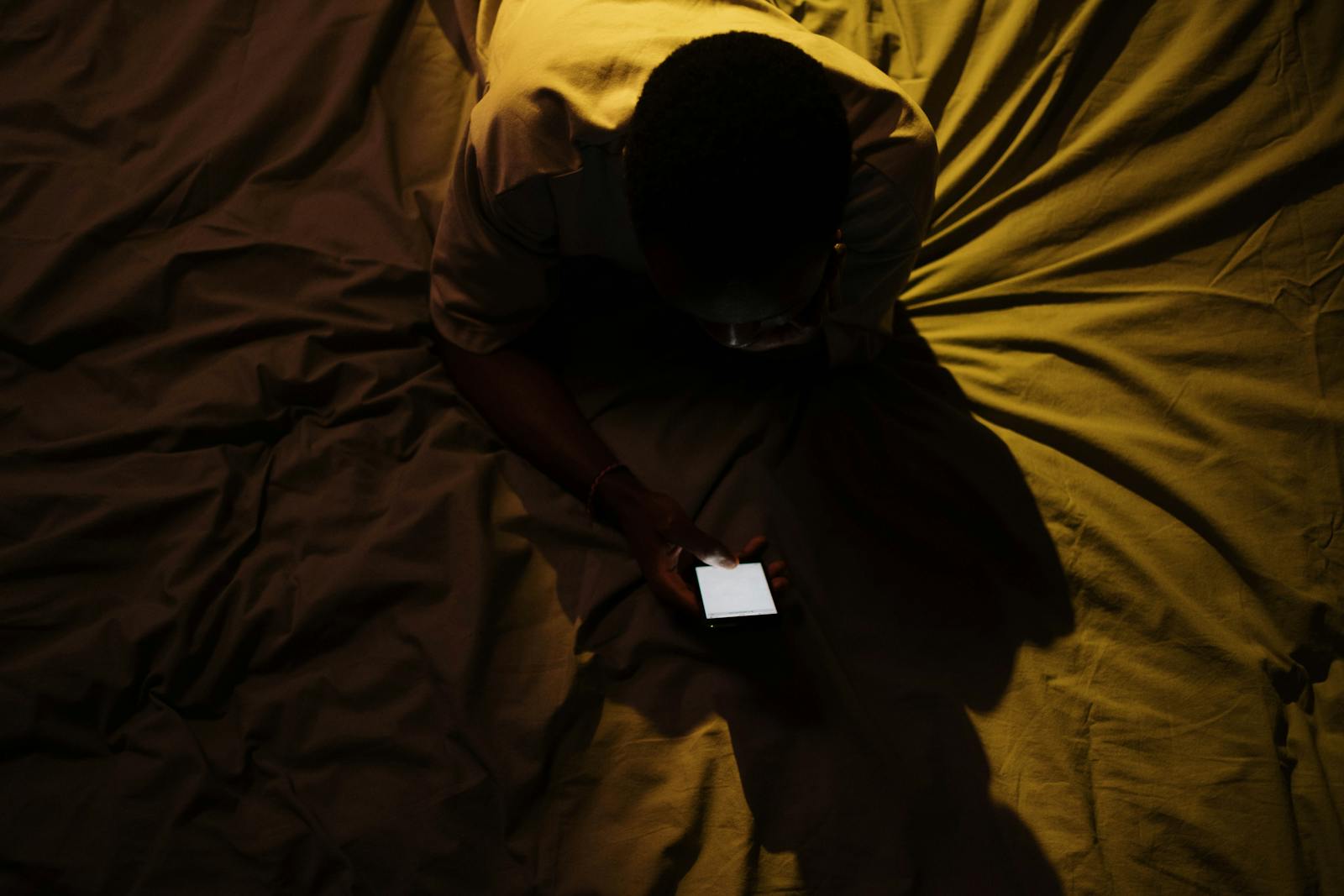
Here is a strange feature of modern life: we are more connected than any humans in history, and many of us have never felt more alone. We carry a device that can reach almost anyone on earth in seconds. We can watch thousands of people talk to us through a screen every single day. And yet loneliness has become so widespread that public health officials describe it as an epidemic.
If you have ever sat in a room full of people, or scrolled for an hour, and still felt a quiet ache of disconnection, you are not broken and you are not alone in feeling alone. Something real has shifted in how we live, and it is worth understanding — because understanding it is the first step toward changing it.
This post looks at what is driving the loneliness so many of us feel, why our phones may be part of the problem, why certain groups in Montana carry an even heavier load, and what actually helps. Including, honestly, how therapy can make a real difference.
Have the Machines Stolen Our Dopamine?
It is a provocative question, but a serious one. Stanford addiction researcher Anna Lembke has described the smartphone as a kind of modern hypodermic needle, delivering quick hits of digital dopamine around the clock. Every notification, like, and swipe gives the brain a small reward. The trouble is that the brain adjusts. When easy dopamine is always available, the ordinary pleasures of real life — a slow conversation, a walk, a hobby that takes effort — can start to feel flat by comparison.
Social psychologist Jonathan Haidt, in his book The Anxious Generation, argues that this constant stream of stimulation is reshaping how an entire generation develops. One of the cruel ironies he points to is that social media often promises connection and delivers the opposite. A lonely person reaches for their phone to feel less alone, gets a brief hit of pseudo-connection, and ends up lonelier in the long run because the screen quietly replaced the harder, richer work of real relationships.
It is worth being careful here. Not everyone agrees on how strong the evidence is, and most people who use social media do not become addicted to it. But the basic mechanism is hard to ignore: a device engineered to capture as much of your attention as possible is, almost by design, competing with the people in your actual life. The feeling of being subtly sedated — of scrolling away an evening you meant to spend differently — is one a lot of people recognize.
Gen X and Gen Z: A Tale of Two Childhoods
One way to see how much has changed is to compare generations. Someone who grew up as part of Gen X came of age before smartphones, before Facebook, before the internet lived in everyone’s pocket. Connection happened in person almost by necessity. You called a friend on a landline the whole family shared. You went to the mall, the park, the basement, the diner. Boredom was common, and boredom often pushed you out the door to find people.
A typical member of Gen Z, by contrast, hit adolescence with a supercomputer in hand and a social life that increasingly lived on screens. Haidt’s central argument is that children born after the mid-1990s are fundamentally different from earlier generations precisely because they went through puberty inside this always-on environment. Hanging out in person has measurably declined. The default setting for connection shifted from the front porch to the feed.
This is not about blaming young people or romanticizing the past — every generation has its struggles, and Gen X had plenty. It is about noticing that the basic environment for human connection changed faster than our biology could adapt. We are running ancient social wiring on a brand-new and very different operating system.
The Male Loneliness Conversation
A growing public conversation, led in part by NYU professor and author Scott Galloway, focuses on a particular corner of this crisis: young men. Galloway argues that no group in America has fallen faster, pointing to data he finds alarming. By his account, roughly one in three men under thirty is in a relationship, compared to about two in three women the same age. He notes that men make up the large majority of deaths by suicide and are significantly more likely to struggle with addiction or homelessness.
Galloway’s framing is that many young men are drifting into isolation — spending more time alone, online, and disconnected from the institutions and relationships that used to give life structure and meaning. He has been blunt about it, warning that society risks producing a generation of withdrawn, disconnected young men, and he calls for getting them out of the house and into purpose, work, fitness, and real community.
It is worth saying that not everyone agrees with how Galloway frames the causes. Some critics argue his account of the dating market oversimplifies a more complicated picture, and reasonable people debate the solutions. But the underlying observation — that a lot of men, young and not so young, are quietly isolated and lack close friendships — lines up with what therapists see every week. Men in particular are often taught from a young age to handle things alone, which makes reaching out for connection feel like a failure rather than a strength.
Loneliness Is Harder in Montana — and Harder Still for Some
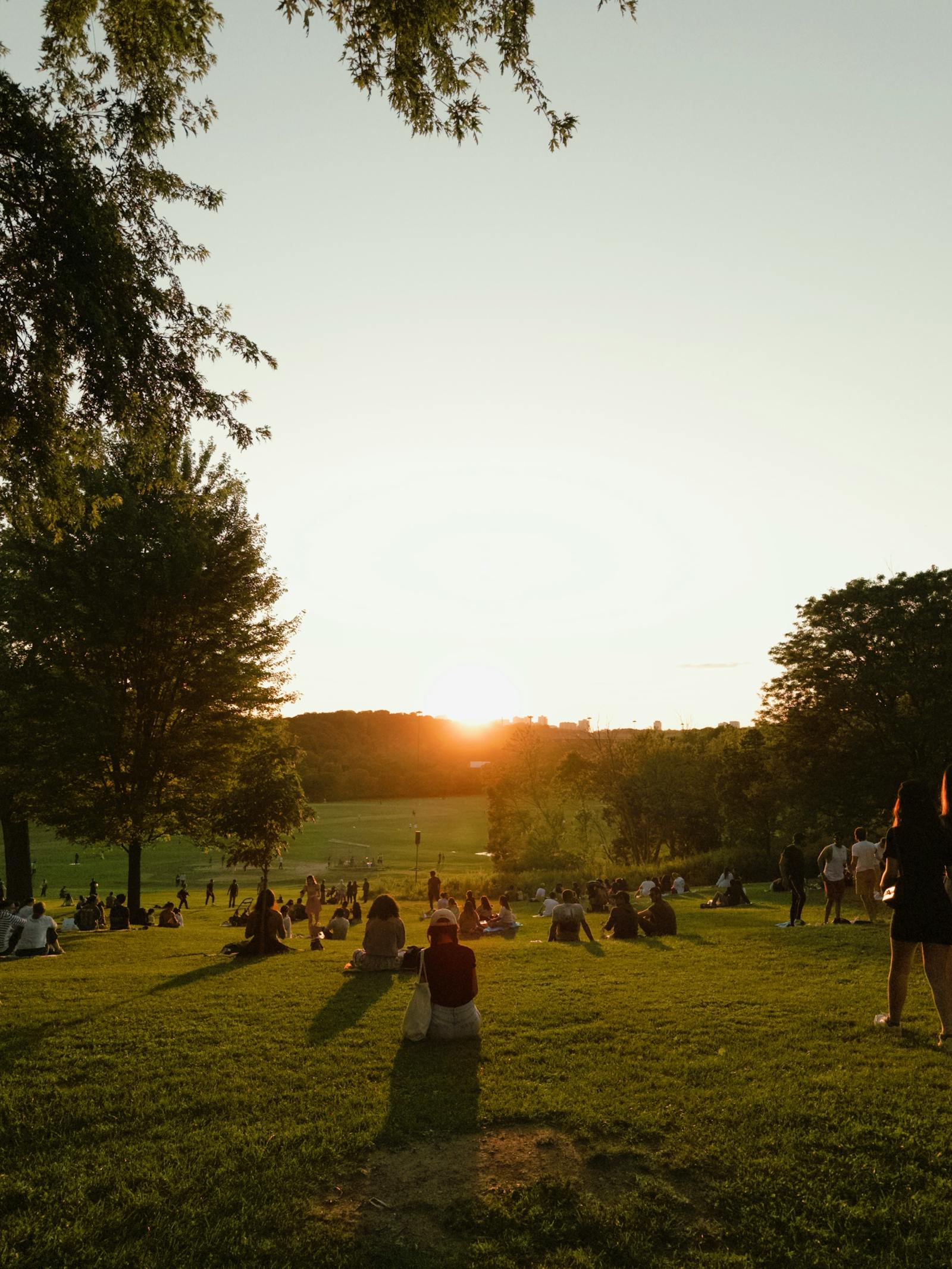
Montana adds its own layer to all of this. We are a large, rural state with long distances between people, long winters that limit gathering, and a cultural inheritance of self-reliance that can quietly discourage asking for help. Those same qualities that make Montanans resilient can also make isolation easier to fall into and harder to admit.
And for some Montanans, the load is heavier still.
Being LGBTQ+ in a rural state
In much of Montana, opportunities to find and gather with other LGBTQ+ people are genuinely few. For someone who is gay, lesbian, bisexual, transgender, or questioning, the ordinary loneliness of rural life can be compounded by a lack of visible community, the stress of not always feeling safe to be fully oneself, and the exhausting work of constantly assessing who is and is not a safe person. That added weight — what researchers call minority stress — is real, and it takes a toll on mental health over time.
Being a person of color in a mostly white state
Montana is one of the least racially diverse states in the country, and for a Black, Indigenous, Latino, Asian, or other person of color, that can mean very few spaces where you see yourself reflected, few people who share your background or simply understand your experience without explanation. The result can be a particular kind of isolation — being surrounded by people and still feeling unseen. Indigenous Montanans, whose communities have deep roots in this land, also navigate the ongoing effects of historical and present-day marginalization.
None of this means connection is out of reach. It means the work of finding it sometimes takes more intention, and it means these experiences deserve to be taken seriously rather than waved off.
Where People Actually Connect in Missoula
The good news is that real community exists here, and much of it is built precisely for people who feel on the outside of things. A few places worth knowing about:
The Western Montana LGBTQ+ Community Center
Located on North Higgins Avenue in downtown Missoula, the Center has been a hub for the LGBTQ+ community and allies since 1998. It offers peer-led and professionally facilitated support groups, community events, and simply a welcoming place to land. You can reach them at 406-543-2224 or through lgbtmontana.org. They also help organize Missoula Pride.
EmpowerMT
EmpowerMT runs community programming across Missoula focused on belonging and connection across differences, including affinity spaces and youth groups for students of color and LGBTQ+ and Two-Spirit young people. Their work is rooted in building community where systemic barriers have made it harder to find. You can learn more at empowermt.org.
Run Wild Missoula
For connection that doubles as movement, Run Wild Missoula brings together more than two thousand runners and walkers of all ages and abilities, with weekly group runs, races, and events. You do not have to be fast, or even run at all — walkers are welcome — and showing up regularly is one of the simplest ways to build the kind of low-pressure, repeated contact that grows into friendship. Find them at runwildmissoula.org.
Other on-ramps
The Missoula Public Library hosts free community events and groups. Faith communities, volunteer organizations like United Way of Missoula, recreation leagues, and hobby groups all offer the same essential thing: a reason to show up in the same place as other people, more than once. The specific group matters less than the repetition. Connection grows from showing up again and again.
(Programs and offerings change over time, so it is always worth checking current schedules directly with each organization.)
How Therapy Helps With Loneliness
It might seem strange to treat loneliness — a problem about relationships — by talking to a professional one-on-one. But therapy helps in ways that go deeper than simply having someone to talk to.
Understanding what is keeping you isolated
Loneliness is rarely just about circumstance. Often there are quieter patterns underneath: social anxiety that makes reaching out feel dangerous, depression that drains the energy for connection, old wounds that make trust hard, or beliefs like “I’m a burden” or “people don’t really want me around” that quietly sabotage relationships before they start. A therapist helps you see and work through what is actually in the way.
Rebuilding the skills and confidence to connect
For many people, especially those who have been isolated for a long time, the muscles of connection have atrophied. Therapy is a safe place to rebuild them — to practice vulnerability, work on communication, and slowly expand your tolerance for the small risks that real relationships require.
Addressing the depression or anxiety underneath
Loneliness, depression, and anxiety often travel together and feed one another. Treating the underlying mental health piece frequently makes connection possible again in a way that white-knuckling through it never could.
Having one reliable, judgment-free relationship while you build others
There is also simple value in having a consistent, confidential relationship with someone whose entire focus is your wellbeing. For someone who feels deeply alone, that can be a foothold — a starting place from which to build outward.
You Were Not Meant to Do This Alone
Humans evolved in close-knit groups where connection was a matter of survival. The loneliness so many of us feel is not a personal failing; it is, in large part, a mismatch between how we are wired and how modern life is built. That is not a reason for despair. It is a reason for intention — to put the phone down a little more often, to show up somewhere in person, to reach out even when it feels awkward, and to get support when the isolation runs deeper than a busy schedule can explain.
If loneliness has been sitting on you for a while, you do not have to figure it out by yourself.
Call or text Sunflower Counseling Montana today: (406) 214-3810 or email hello@sunflowercounseling.com. Serving clients in person in Missoula, Kalispell, and Butte — and online throughout Montana.
Frequently Asked Questions
Why do I feel so lonely even when I’m around people?
Loneliness is about the quality of connection, not the quantity of people around you. You can feel deeply alone in a crowd if those relationships feel surface-level, if you do not feel truly seen, or if anxiety or depression is creating a sense of distance. This kind of loneliness is very common and is something therapy can genuinely help with.
Are smartphones really making us lonelier?
The honest answer is that they appear to be a significant contributing factor, though not the only one. Phones and social media offer a quick, shallow substitute for connection that can crowd out the deeper, in-person relationships people actually need. Most people are not clinically addicted to their phones, but many use them in ways that quietly displace real connection. Being intentional about screen time tends to help.
Is the “male loneliness epidemic” a real thing?
There is real data showing that many men, especially younger men, are increasingly isolated, less likely to be in relationships, and less likely to have close friendships. Commentators like Scott Galloway have brought attention to it. The causes are debated, but the underlying loneliness many men experience is real, and it is treatable.
I’m LGBTQ+ or a person of color in Montana and feel really isolated. Where do I start?
Your experience is valid, and the added isolation that can come with being part of a smaller community in Montana is real. Organizations like the Western Montana LGBTQ+ Community Center and EmpowerMT exist specifically to build connection and belonging. Therapy with a culturally aware, affirming counselor can also be a powerful support as you build community.
Can therapy actually help with loneliness?
Yes. Therapy helps you understand and work through the patterns keeping you isolated, rebuild the confidence and skills to connect, and address any underlying depression or anxiety. It also offers a reliable, judgment-free relationship to start from. Loneliness is one of the most common things people bring to therapy, and it responds well to support.
Do you offer counseling in Missoula and across Montana?
Yes. Sunflower Counseling Montana offers in-person therapy in Missoula, Kalispell, and Butte, and telehealth throughout the state. If loneliness, isolation, anxiety, or depression has been weighing on you, we would be glad to help.
About the Author: Kerry Heffelfinger is the founder and CEO of Sunflower Counseling Montana, a multi-location therapy practice offering in-person counseling in Missoula, Kalispell, and Butte, and online therapy throughout Montana.